
what is Stone Veneer?
What Is Stone Veneer?
It’s a lightweight, decorative material designed to mimic the look and feel of natural stone—without the weight, cost, or complexity of traditional masonry.
Made from either real stone cut into thin slices or manufactured using concrete or high-density polyurethane, stone veneer gives you the rugged, elegant appearance of full stone without the high costs.
Unlike traditional stone masonry, stone veneer is not intended to bear weight. It’s strictly decorative—used to enhance the appearance of walls, facades, and features without the structural demands of full-thickness stone.
That makes it a practical choice for both new builds and renovations, where aesthetics matter just as much as efficiency.
One of the key advantages of stone veneer is its flexibility.
Because it’s much lighter than natural stone, it can be applied to a wider range of surfaces, including drywall, plywood, concrete, and metal lath.
This adaptability means it’s just as effective on a kitchen backsplash as it is on a full home exterior.
From a design perspective, stone veneer offers the rugged authenticity of stone with the ease of modern materials—an ideal solution when you want texture, warmth, and architectural interest without added structural complications.
Types of Stone Veneer
Stone veneer comes in several distinct forms, each offering its own blend of aesthetics, durability, and installation methods. The three primary categories are:
- Natural Stone – Thin slices of real quarried stone that retain all the character and variation of the original material. Natural Stone is known for authenticity and timeless appeal.
- Manufactured– Also called cast or architectural stone, manufactured stone replicates the look of natural stone using molds and tinted concrete. It’s typically more affordable and easier to work with. Check out CASADISASSIS guide on manufactured stone veneer to learn more
- Faux Panels – Lightweight panels made from polyurethane or similar materials. These are popular for DIY projects thanks to their ease of installation and versatility.
Each type offers different advantages depending on the project, budget, and desired look.
Key Benefits
Stone veneer stands out for its ability to combine the charm of natural stone with modern-day practicality. Here’s what makes it such a popular choice:
- Authentic Look
Whether natural or manufactured, stone veneer delivers the rich textures, tones, and patterns of real stone—without compromise. - Lightweight Construction
Significantly lighter than full-thickness stone, it simplifies installation and reduces stress on surfaces and structures. - Versatile Applications
From fireplaces and backsplashes to exterior facades and garden walls, stone veneer can be installed to almost any setting. - Durability
Built to handle heat, moisture, and wear, it holds up in both interior and exterior environments. - Cost-Effective
It offers a high-end appearance at a lower material and labor cost, making it budget-friendly without sacrificing style. - Decorative Purpose Only
Stone veneer is not load-bearing—it’s all about aesthetics, adding beauty without affecting structural integrity.

Installation Overview
Installing stone veneer is a straightforward process, but the method can vary depending on the type of veneer and the surface it’s being applied to.
- Preparation
For mortar-set applications, the wall surface usually needs a weather-resistant barrier and a metal lath, followed by a scratch coat to create a solid base. - Attachment Methods
Depending on the product, stone veneer can be installed using mortar, adhesive, or mechanical fasteners. Faux stone panels are often designed for quick attachment with screws or construction adhesive. - Finishing Touches
Once the stones or panels are in place, joints may be grouted or left dry-stacked, and surfaces can be sealed to protect against moisture or staining—especially in wet areas. - DIY vs. Professional Installation
Faux stone panels are ideal for DIYers thanks to their simplicity and lightweight design. Natural and manufactured stone veneer, especially when mortar is involved, is best done by professionals for a professional, long-lasting finish.
Common Applications
One of the biggest draws of stone veneer is how effortlessly it elevates both indoor and outdoor spaces. You can use its lightweight design and variety of styles to add texture, warmth, and architectural character to almost any space.
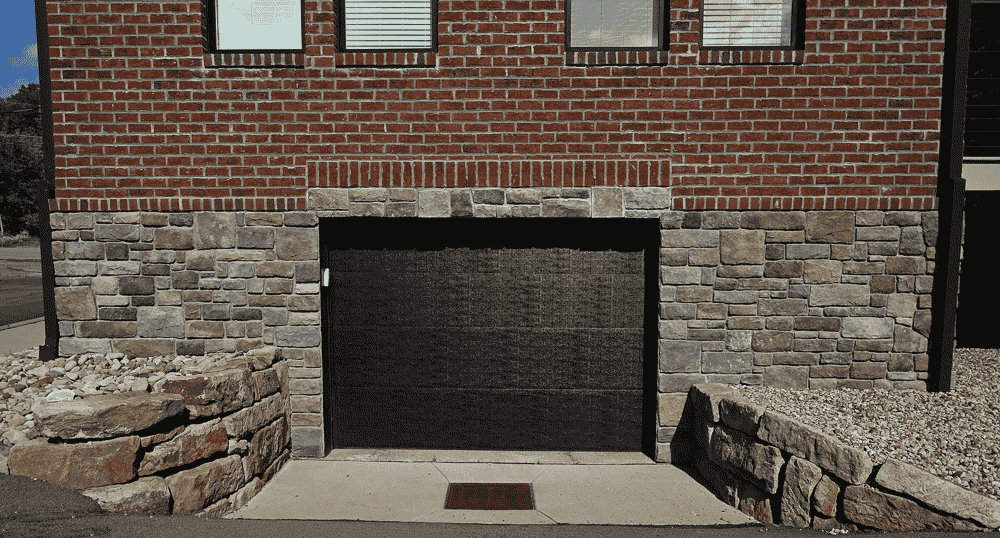
- Exterior Home Facades
Stone veneer brings curb appeal front and center. Builders and homeowners often use it to accent entryways, columns, and lower wall sections, or to cover entire exteriors for a high-end, custom look. - Fireplace Surrounds and Accent Walls
Indoors, it adds depth and natural charm to living rooms and lounges. Fireplace walls, TV backdrops, and feature walls are popular spots where stone veneer makes a strong visual impact. - Kitchen Backsplashes
For a rustic or earthy design touch, stone veneer works beautifully as a backsplash. It pairs well with wood cabinetry, metal fixtures, and natural surfaces. - Outdoor Kitchens and Living Areas
In outdoor spaces, homeowners use it to wrap grill islands, patio walls, bar counters, and fire pits—blending architecture seamlessly into the landscape. - Columns, Pillars, and Landscape Features
Whether it’s front porch columns or garden planters, stone veneer adds a refined finish to structural or standalone elements across the property.
Popular Styles of Stone Veneer
Stone veneer comes in a range of styles, each offering a distinct texture and aesthetic. Whether you’re going for rustic charm or modern edge, there’s a profile to match your vision.
- Ledgestone
Known for its layered, horizontal lines and stacked-stone look—perfect for contemporary and transitional designs. - Fieldstone
Irregular and rugged, fieldstone gives off a natural, organic feel that suits rustic or farmhouse-inspired spaces. - Brick Veneer
Offers the classic look of brick with the thin profile of veneer—great for industrial, vintage, or urban designs. - Granite and Rubble Stone
Features bold, rough-cut pieces that add texture and weight to any surface—ideal for more traditional or lodge-style homes.
Each style comes in various colors and finishes, allowing for nearly endless customization.
Final Thoughts
Stone veneer isn’t just a design trend—it’s a smart, lasting investment in the look and feel of your space. With its realistic appearance, lightweight structure, and wide range of applications, it offers the beauty of natural stone without the heavy materials, labor, or price tag.
Whether you’re updating a fireplace, revamping your home’s exterior, or adding texture to an accent wall, stone veneer delivers impact without compromise. It’s versatile, durable, and tailored to meet both traditional and modern design goals. Interested in using stone veneer for your next project?
Reach out to us here to get started with a free consultation and explore the best options for your space.