
How thick is stone veneer?
Stone veneer has become a staple in modern home design, from cozy fireplaces and accent walls to sleek outdoor facades. It delivers the timeless appeal of natural stone—without the bulk or expensive cost.
But here’s the thing most people ask mid project, Is stone veneer all equally thick?: not all stone veneer is created equal—especially when it comes to thickness.
So, how thick is stone veneer?
Depending on the type, stone veneer typically ranges from ¾ inch to 5 inches thick.
That range includes thin-cut natural veneer, manufactured stone, and full-bed masonry stone—each suited for different applications. Let’s break it all down so you can choose what works best for your project.
What Is Stone Veneer, and Why Does Thickness Matter?
Stone veneer is a decorative building material designed to mimic the appearance of solid stone—but without the excessive weight or structural demands. It comes in a few main forms:
- Natural Thin Stone Veneer: Real stone that’s been sliced thin, offering the authenticity of natural textures in a lighter package.
- Manufactured Stone Veneer: Also called faux or cultured stone, it’s made from concrete or composite materials and molded to look like real stone.
- Full Bed Stone Veneer: The traditional heavyweight—it’s full-thickness natural stone, often used in large-scale masonry work and exterior cladding.
So, why does thickness matter?
1. Weight & Installation
Thinner veneer means significantly less weight. This makes installation faster, cheaper, and more flexible—especially on interior walls or remodeling jobs where you don’t want to reinforce the structure. In contrast, full bed stone can weigh up to 60 pounds per square foot and needs a strong foundation or ledge for support.
2. Durability & Impact Resistance
Thicker stone typically means more durability. Full bed stone is rugged and ideal for high-traffic areas or places exposed to the elements. While thin and manufactured veneers are durable, they’re best used where impact is unlikely.
3. Aesthetic Transitions
The thickness of your veneer affects how smoothly it transitions into other materials—like siding, drywall, or trim. Thinner veneers tuck in cleanly with less build-out, while thicker options may require more detailed planning to achieve a seamless look around windows, doors, and corners.
In short? The thickness of your stone veneer isn’t just a number—it’s a design and construction decision that directly impacts performance, cost, and curb appeal.
Thin Stone Veneer: Lightweight Looks, Big Design Flexibility
Thin stone veneer is the go-to choice when you want the timeless beauty of stone—without the structural headache.
Where It Works
This type of veneer is especially popular in:
- Interior applications: feature walls, fireplaces, kitchen backsplashes
- Exterior facades: entryways, pillars, siding accents
- Remodels & retrofits: where full stone is too heavy for existing walls
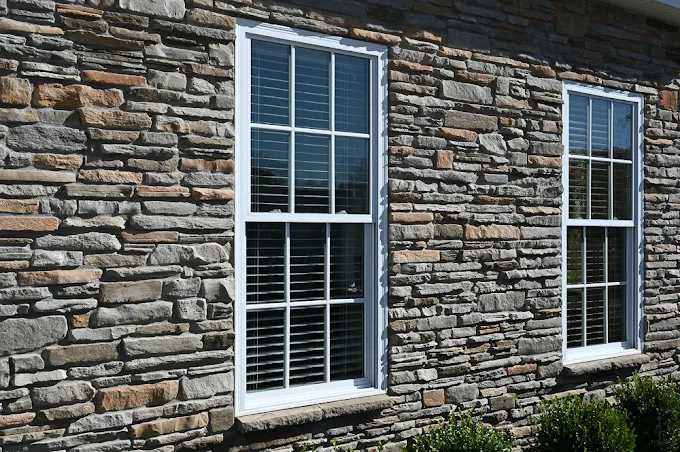
How Thick Is thin stone veneer?
Thin stone veneer typically falls within a thickness range of: ¾ inch to 1½ inches for most products Occasionally, it can be as thin as ¼ inch, but that’s rare and often more decorative than structural
Why Use Thin Stone Veneer?
- Lightweight: No need for additional footings or structural reinforcement
- Easier to install: Cuts labor time and costs significantly
- Versatile: Adheres directly to most wall surfaces with proper prep
- Space-saving: Ideal for tight spots where bulkier materials just won’t fit
It’s the perfect blend of form and function—giving you the stone look you love, with a fraction of the hassle.
For a deeper comparison between full bed and thin stone veneer—including installation differences, structural requirements, and use cases—Stone Center offers a great breakdown here.
Manufactured Stone Veneer: Faux Stone, Real Versatility
What is manufactured Stone Veneer
Manufactured stone veneer—also known as cultured stone or faux stone—isn’t carved from the earth. Instead, it’s molded from concrete or lightweight composites and dyed to look like natural stone. Thanks to advancements in casting and coloring techniques, the realism is often stunning—without the weight or cost of quarried stone.
What is the thickness of manufactured Stone Veneer
Most manufactured veneers fall into a similar thickness range as natural thin stone:Typically ¾ inch to 2 inches. Some styles and brands push it to 2½ inches, depending on design texture and pattern depth
It Varies by Style
Because it’s man-made, thickness can vary widely across:
- Manufacturers
- Stone profiles (e.g. ledgestone vs. fieldstone)
- Intended use (lightweight interior panels vs. rugged outdoor-grade cladding)
How It Compares to Natural Thin Veneer
- Weight: Slightly lighter than natural stone, depending on the formula
- Look & feel: Nearly identical at a glance, but lacks the natural variation and texture depth of real stone
- Cost: Generally more affordable
- Consistency: Easier to match and repeat for large installs
Manufactured stone offers the stone aesthetic with added design control and budget flexibility. It’s especially popular for homeowners looking to balance appearance, weight, and price—without compromising curb appeal.
Full Bed Stone Veneer
What is Full Bed Stone Veneer
When people think of “real” stone construction, they’re usually picturing full bed stone veneer. Also called full-thickness stone or building stone veneer, this is the original, tried-and-true method used for centuries in traditional masonry. No shortcuts. No lightweight fillers. Just thick, solid stone.
Where It’s Used
You’ll find full bed veneer in:
- High-end custom homes
- Structural facades and foundations
- Outdoor fireplaces, retaining walls, and commercial buildings
- Any place where authenticity, mass, and permanence matter
How Thick Is Full Bed Stone Veneer?
- 3 to 5 inches thick on average. This substantial depth gives it a rugged, dimensional look you just can’t fake.

Why It’s Heavy Duty
- Weight: Typically between 40–60 pounds per square foot
- Support required: Must be installed on a foundation or stone ledge—walls alone can’t handle the load
The Trade-Off
While it delivers unmatched durability and prestige, full bed veneer comes with higher installation costs, longer timelines, and more demanding structural needs. It’s less about convenience and more about making a bold, lasting architectural statement.
Quick Comparison: How Thick Is Each Type of Stone Veneer?
Need a fast breakdown? Here’s a side-by-side look at the typical thickness ranges for the three main types of stone veneer:
| Type of Stone Veneer | Typical Thickness |
| Thin Stone Veneer | ¾” – 1½” |
| Manufactured Stone Veneer | ¾” – 2″ (up to 2½”) |
| Full Bed Stone Veneer | 3″ – 5″ |
This chart is your cheat sheet. Whether you’re deciding based on weight, aesthetics, or installation needs, knowing these numbers helps you plan smarter—and avoid expensive surprises mid-project.
How to Choose the Right Thickness for Your Project
With all these options on the table, how do you know which stone veneer thickness is right for you? It comes down to where you’re installing it, what kind of look you’re going for, and whether your space can handle the weight.
Ask yourself:
1. Is it for interior or exterior use?
- Interior projects—like fireplace surrounds, accent walls, or backsplashes—benefit from thin or manufactured veneer. These options are lighter, easier to cut, and don’t require structural reinforcement.
- Exterior applications—like siding, chimneys, or retaining walls—can go either way. Just keep in mind the exposure to weather and the need for long-term durability.
2. Do you have structural support?
- If your project doesn’t have a foundation, footing, or ledge, full bed stone likely isn’t an option.
- Thin and manufactured veneers can be adhered directly to prepared walls without extra reinforcement.
3. What kind of aesthetic or material transition do you need?
- Thinner veneers blend more easily into drywall, trim, and siding without needing extra build-out.
- Full bed veneer delivers a bold, dimensional look—but expect thicker transitions and deeper reveals around windows and doors.
When to Go Thin
- Renovations or retrofits
- Budget-conscious builds
- Fast installs with minimal mess
When to Go Full-Thickness
- New construction with proper support
- High-end custom homes
- Situations where realism, weight, and durability are top priorities
Bottom line? Match the thickness of your veneer to your project’s structure, style, and scope. Choosing the right material upfront saves you time, money, and headaches later on.
And if you’re planning to use stone veneer outdoors, don’t forget: proper waterproofing is just as important as thickness.
Learn how to protect your installation in our guide: Waterproofing Stone Veneer in Rainy Climates
Conclusion
Stone veneer isn’t one-size-fits-all—and thickness is one of the most important details to get right. Here’s a quick recap:
- Thin stone veneer: ¾” to 1½”
- Manufactured stone veneer: ¾” to 2″ (sometimes up to 2½”)
- Full bed stone veneer: 3″ to 5″
Each type has its place, whether you’re updating an interior feature wall or building a bold exterior facade from scratch. The key? Match the veneer thickness to your design vision, structural constraints, and installation environment.
Not sure where to start?
Contact AAA Stone Age for a free consultation. Our experts will help you choose the perfect stone veneer—thickness and all—for a flawless finish that lasts.