
Introduction
Stone veneer is one of today’s most looked for materials for both interior and exterior design. Whether it’s a new fireplace, a striking accent wall, or a bold exterior façade, veneer adds texture, depth, and lasting appeal. But before the transformation begins, one key question stands between you and your dream design:
Should you choose Natural Stone vs Manufactured Stone (also called faux or cultured)
It depends, the two may look similar—but aside from that they differ in material, durability, installation, and overall impact. In this guide, we’ll break down everything you need to know to make the right choice for your home or project. From aesthetics and cost to long-term performance, here’s how natural and manufactured stone really stack up.
Natural Stone vs. Manufactured Stone
If you’re already familiar with stone veneer as a design material and want to focus specifically on the difference between natural and manufactured options—you’re in the right place. (Not quite caught up? Check out our full guide on what stone veneer is.)
What is Natural Stone?
Natural stone veneer is made from real, quarried stone that’s been sliced into thin, installable pieces. Because it’s formed by nature, each stone carries unique color variations, textures, and organic patterns—no two pieces are exactly alike. It delivers a authentic look that can’t be replicated by synthetic materials.
What is Manufactured Stone?
Manufactured stone veneer, also known as faux or cultured stone, is crafted from a mixture of cement, aggregates, and pigments, cast in molds that mimic natural stone shapes and textures. It’s lighter, more uniform, and easier to install, making it a cost-effective alternative for many residential and commercial applications.
As noted by Selkirk Stone, manufactured veneer’s controlled shape and weight make it ideal for projects with tight budgets or challenging structural conditions.

Appearance: Authenticity vs. Consistency
When it comes to curb appeal or interior charm, appearance is everything—and this is where the differences between natural and manufactured stone veneer are most visible.
Natural Stone
Natural stone veneer brings an authentic, aesthetic that simply can’t be duplicated. Because each piece is cut from real stone, you get a wide range of textures, shades, and shapes. The result? A one-of-a-kind finish that feels grounded, timeless, and entirely original. There’s no repeating pattern, no artificial color tone—just the natural beauty of stone shaped by the earth.
Perfect for homeowners and designers who want something unique, high-end, and architecturally rich.
Manufactured Stone
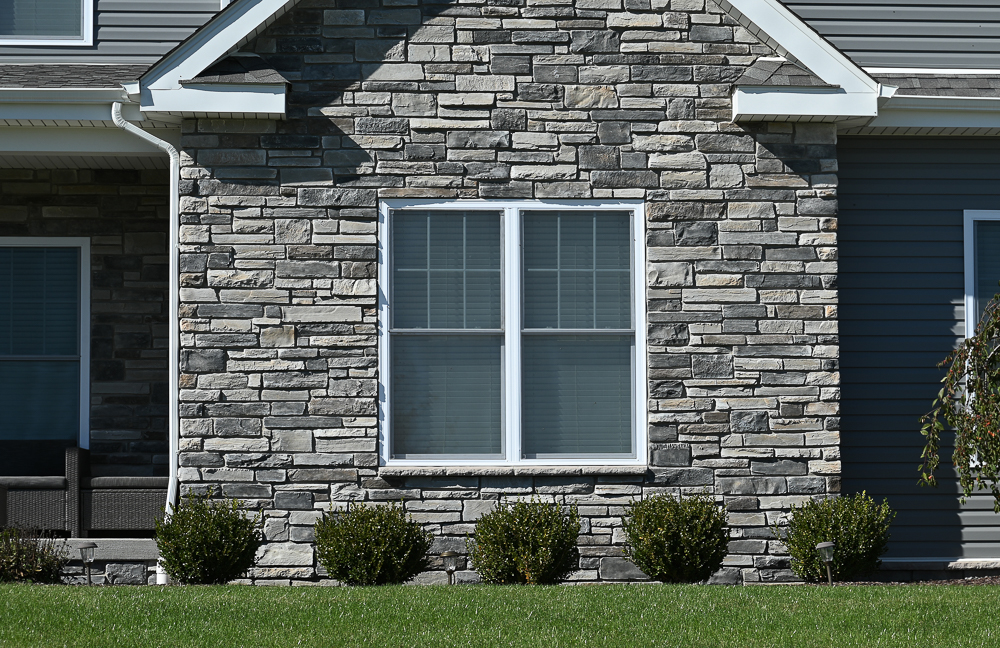
Manufactured stone veneer is designed to mimic the look of natural stone—but look closely, and the differences become noticeable. The similar molds and color application can lead to repeating patterns and less variation in texture. In small spaces, it can be quite convincing. But in larger installations, seams and edges can show its man-made qualities.
That said, manufactured stone has come a long way. High-quality products offer realistic texture and tone, and the ability to choose exact colors and styles gives you more control over the final look—especially when matching existing design themes.
Durability and Longevity: Built to Last—or Built for Now?
While appearance draws people in, durability keeps your investment intact. Here’s how natural and manufactured stone stack up over time.
Natural Stone
Natural stone is one of the most durable materials on Earth—and it shows. It’s incredibly resistant to chipping, cracking, fading, and weather-related damage, whether exposed to freezing temperatures, heavy rain, or direct sun.
In many cases, natural stone veneer will outlast the structure it’s attached to. It requires minimal maintenance and rarely needs replacement or repair, making it a smart long-term investment—especially for exterior projects or high-traffic areas.
Manufactured Stone
Manufactured stone may look the part, but it’s not quite as tough. Made from concrete and pigments, it’s more vulnerable to wear and tear, especially when exposed to moisture or improper installation.
Common issues include chipping, cracking, and water infiltration—which can lead to mold, staining, or even structural damage behind the veneer if not caught early. Most products come with warranties (ranging from 20 to 75 years), but they still may require maintenance or partial replacement sooner than natural stone.
Installation and Weight: Ease vs. Expertise
The difference in weight between natural and manufactured stone doesn’t just affect shipping—it directly impacts how easy (or complex) your project will be to install.
Natural Stone
Natural stone is heavier, which means installation can be more demanding. It typically requires:
- Stronger structural support
- More prep work
- Skilled masonry labor
Because of its weight and irregular shapes, cutting and fitting natural stone takes more time and precision. This often leads to higher labor costs and longer project timelines.
Manufactured Stone Veneer
Manufactured stone is engineered to be lighter and more uniform, making it easier to transport, handle, and apply. It can be installed on a wider range of surfaces—even those that can’t support real stone.
Thanks to its lightweight composition and consistent sizing, manufactured veneer:
- Requires less structural reinforcement
- Installs faster
- Produces less waste
- Costs less in labor
Cost Comparison: Upfront vs. Long-Term Value
When it comes to choosing between natural and manufactured stone, cost is often the deciding factor—but the full picture goes beyond just materials.
Natural Stone
Natural stone veneer typically comes with higher upfront costs. The materials themselves are more expensive due to the quarrying, cutting, and transport involved. Add in the skilled labor required for installation, and you’re looking at a premium investment.
That said, natural stone is incredibly durable, which means lower maintenance and fewer replacements down the road. It adds lasting value to your home and can even increase resale appeal thanks to its authenticity and longevity.
Manufactured Stone
Manufactured stone is a more budget-friendly option upfront. The production process allows for mass production, and the lightweight material reduces labor time and costs.
However, over the long term, you may face added expenses from potential repairs, moisture-related issues, or replacements—especially if it wasn’t installed correctly. Still, for many homeowners and builders, the initial savings are worth it.
In short: If you want speed and flexibility, manufactured stone is the winner. But if you’re going for craftsmanship and permanence, natural stone—with the right crew—is worth the extra effort.
Customization Options: Nature’s Variety vs. Designer Control
Choosing the right veneer isn’t just about durability or price—it’s also about achieving the exact look you want. And when it comes to customization, natural and manufactured stone offer very different possibilities.
Natural Stone
With natural stone, your customization comes from nature itself. Each piece varies in color, shape, and texture based on the quarry it came from. While you can select from different stone types—like limestone, granite, or slate—you’re ultimately working with what the Earth provides.
That means:
- No two installations are the same
- You’ll get a raw, organic finish
- Color palettes and shapes are limited to regional availability
If you want authenticity and one-of-a-kind beauty, natural stone delivers it in every layer.
Manufactured Stone
Manufactured stone offers total design control. Because it’s created in molds and tinted with pigments, you can choose from:
- A wide range of colors
- Uniform or irregular shapes
- Specific styles that mimic everything from fieldstone to ledgestone
This makes it easier to match existing materials, stick to a theme, or create a cohesive look across large spaces.
Common Applications: Where Each Veneer Shines
Both natural and manufactured stone veneers are incredibly versatile, but they each have ideal use cases depending on weight, aesthetics, and installation requirements.
Natural Stone
Natural stone is best suited for projects where durability, texture, and authenticity are top priorities. You’ll often find it used in:
- Exterior facades for high-end homes and commercial buildings
- Entryways and retaining walls that demand structural presence
- Indoor accent walls and fireplaces that benefit from natural variation
- Columns and masonry bases that need both beauty and resilience
Its weight makes it less ideal for lightweight structures, but when properly supported, nothing beats the timeless look and feel of real stone.
Manufactured Stone
Thanks to its lighter weight and ease of application, manufactured stone veneer is often the go-to for:
- Interior projects like fireplaces, feature walls, and backsplashes
- Remodels and retrofits, where the structure can’t support heavier materials
- Multi-story facades or non-load-bearing walls
- Budget-sensitive installations that still require visual impact
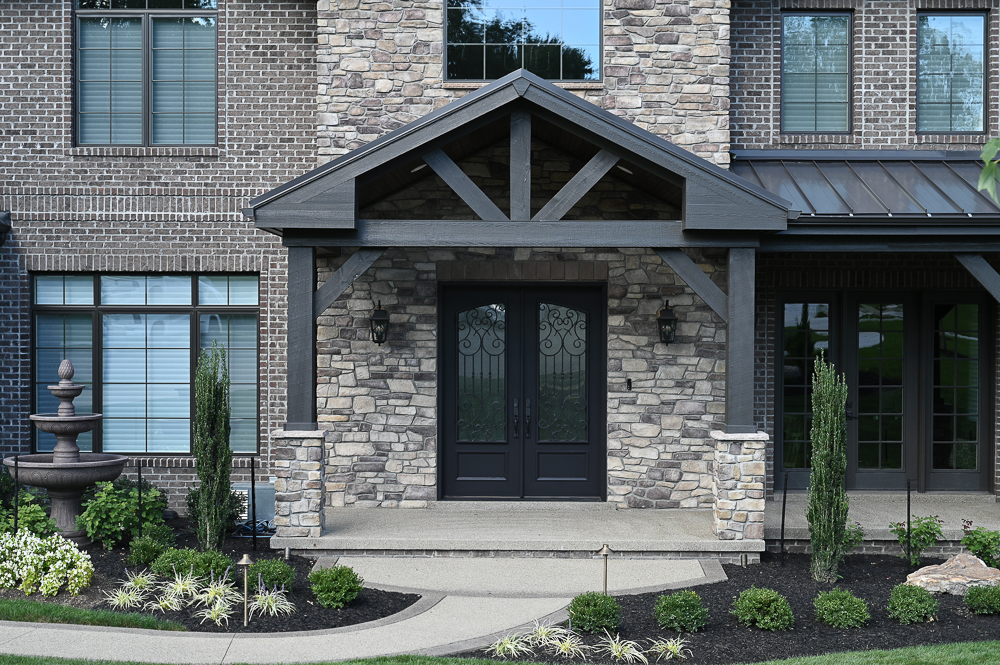
It’s also ideal for covering large surfaces quickly and efficiently, especially when exact color or shape matching is needed.
Whether you’re creating a cozy fireplace surround or cladding an entire home, both veneers have their place. The right choice comes down to your design goals, structural limitations, and how much you value authenticity versus flexibility.
Summary Comparison Table
Need a quick side-by-side to help you decide? Here’s how natural stone veneer and manufactured stone veneer compare across key categories:
| Feature | Natural Stone Veneer | Manufactured Stone Veneer |
| Appearance | Unique, authentic, non-repeating patterns | Uniform, customizable, may appear artificial |
| Durability | Extremely durable, weather-resistant | Less durable, may chip or fade over time |
| Installation | Heavy, labor-intensive, requires skilled masons | Lightweight, easier and faster to install |
| Cost | Higher upfront cost, lower maintenance long-term | Lower initial cost, potential long-term repair costs |
| Customization | Limited to natural variation and stone type | Wide range of colors, styles, and patterns |
| Best For | High-end builds, exterior facades, one-of-a-kind looks | Remodels, interior projects, large-scale applications |
Conclusion: Which Stone Veneer Is Right for You?
At the end of the day, the choice between natural stone veneer and manufactured stone veneer comes down to your project’s priorities.
- Choose natural stone if you value authenticity, durability, and timeless character. It’s perfect for projects that demand a high-end finish and long-lasting performance.
- Choose manufactured stone if you need affordability, design flexibility, and easier installation—especially for interior features or remodels where weight and budget are key concerns.
Both have their place. Both can transform a space. The right option depends on what you’re building—and what you want it to say.
Need help deciding?
Reach out to AAA Stone Age for expert guidance, personalized recommendations, and a free consultation. Whether you go natural or manufactured, we’ll make sure your stonework is done right.
Read more on our Stone Masonry Service page!