
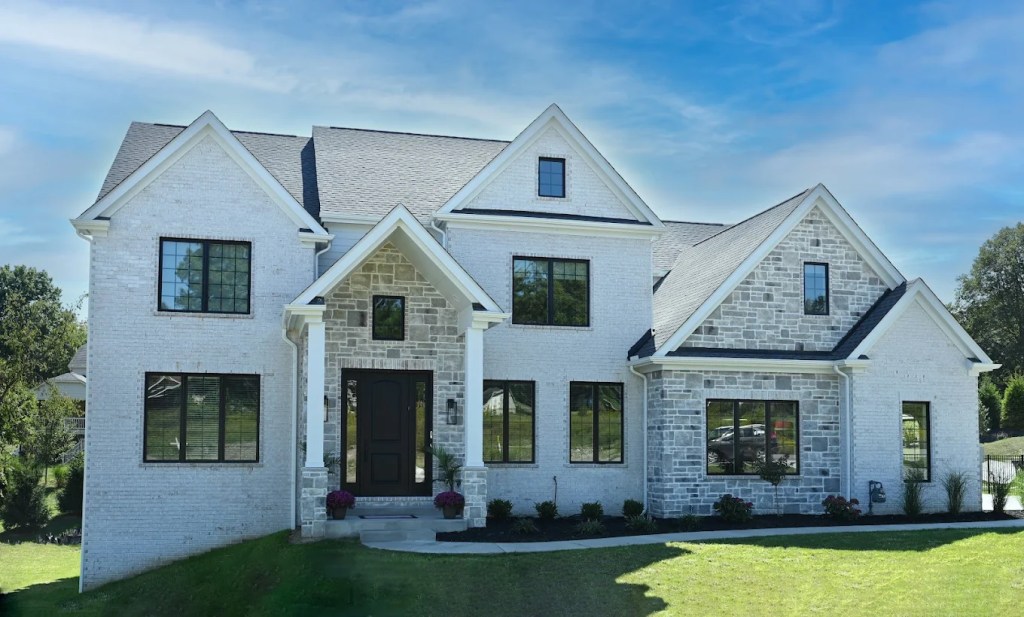
How To Install Stone Veneer
Ever dreamt of giving your home that rich, textured, HGTV-worthy look without dropping a fortune? Stone veneer is exactly what you’re looking for. It delivers the timeless charm of natural stone—at a fraction of the weight, cost, and complexity.
Whether you’re adding a rustic fireplace surround, a dramatic accent wall, or completely reimagining your home’s exterior, installing stone veneer is one of the most rewarding DIY upgrades you can make. The best part? You don’t need to be a master mason to pull it off.
In this guide, we’ll walk you through each step of the installation process—from surface prep and layout planning to applying the stone and finishing your joints. Whether you’re working with manufactured or natural thin stone veneer, this is everything you need to get a clean, professional look that lasts.
- Tools & Materials You’ll Need
- Essential Tools:
- Installation Materials:
- Safety Gear:
- Step 1: Surface Preparation—The Foundation of a Flawless Install
- Step 2: Installing the Lath and Scratch Coat (If Needed)
- Step 3: Laying Out and Cutting Your Stone
- Step 4: Applying the Stone Veneer
- Step 5: Grouting the Joints (If Required)
- Tooling the Joints:
- Step 6: Final Cleanup and Curing
- Pro Tips & Best Practices for a Long-Lasting Stone Veneer Installation
Tools & Materials You’ll Need
Before you lift a single stone, make sure your toolkit is locked and loaded. Stone veneer may be lighter than full masonry, but it still demands precision—and the right gear makes all the difference.
Essential Tools:
- Masonry trowels (flat and notched)
- Margin trowel (for tight spots)
- Level and chalk line
- Grout bag
- Masonry saw or circular saw with a diamond/masonry blade
- Hammer, wire cutters, and tin snips
- Buckets, sponge, and stiff-bristle brush
Installation Materials:
- Type S mortar mix or veneer-specific mortar
- Water-Resistive Barrier (WRB)
- Galvanized metal lath
- Corrosion-resistant fasteners
- Weep screed (for exterior wood-framed walls)
- Stone veneer (manufactured or natural)
- Optional: bonding agent, grout tools, waterproofing membrane
Safety Gear:
- Gloves (mortar is harsh on skin)
- Eye protection (especially when cutting stone)
- Dust mask or respirator (stone dust = no joke)
Lay out everything before you start mixing mortar. This isn’t the kind of job you want to pause halfway through because you forgot a grout bag or ran out of fasteners.
Step 1: Surface Preparation—The Foundation of a Flawless Install
Before you even think about mortar or stone, your wall needs to be solid, clean, and prepped for maximum grip. This step is non-negotiable. If your surface isn’t right, nothing else will be.
Inspect Your Wall Surface
Different substrates require different prep:
- Wood-framed walls:
- Start with two layers of Water Resistive Barrier (WRB)—this helps keep moisture out. (waterproofing stone veneer article)
- Install a weep screed along the bottom edge to allow water to drain.
- Fasten galvanized metal lath over the WRB using corrosion-resistant screws or nails.
- Start with two layers of Water Resistive Barrier (WRB)—this helps keep moisture out. (waterproofing stone veneer article)
- Concrete, block, or brick walls:
- Pressure wash to remove dust, dirt, and efflorescence.
- If the surface is painted or sealed, roughen it with a grinder or attach lath + scratch coat. The goal: create something the mortar can bite into.
- Pressure wash to remove dust, dirt, and efflorescence.
Use a level and chalk line to mark a straight, horizontal baseline at the lowest visible point of your installation area. This line will guide your first row—and if that’s off, everything above it will be, too.
Step 2: Installing the Lath and Scratch Coat (If Needed)
This step gives your mortar something to grip—especially critical for wood-framed walls or smooth concrete surfaces. Skip it, and you’re setting yourself up for a pricey peel-off down the line.
Attaching the Metal Lath
If your wall requires lath (typically over wood or sealed concrete):
- Layer Order Matters: Start with your WRB, then attach the galvanized metal lath over it.
- Overlap & Secure: Overlap seams by at least 1 inch, and make sure the lath wraps around corners and edges tightly.
- Fasteners: Use corrosion-resistant screws or nails to lock the lath into studs or the concrete surface.
The lath should feel tight—like a drum. If it flexes, it’ll flex your mortar with it.
For visuals on layering metal lath and applying a scratch coat, the eStoneWorks Installation PDF walks you through the steps with diagrams.
Applying the Scratch Coat
Now comes the mud.
- Mix Type S Mortar to a thick consistency.
- Spread It On: Using a flat trowel, apply a ¼–½ inch thick layer over the lath, pressing firmly to embed it into the mesh.
- Score It Horizontally: Before it fully sets, run a notched trowel horizontally across the surface. This gives the next mortar layer extra grip.
- Cure Time: Let the scratch coat set until it’s firm (usually 24 hours) but not rock solid.
This base layer provides the support your veneer stones need to stay securely in place for the long term.
Next up: laying out your stones and making precision cuts like a true artisan. Ready when you are.
Step 3: Laying Out and Cutting Your Stone
Before a single stone touches the wall, take the time to plan your layout. This step separates amateur jobs from magazine-worthy results.
Dry Layout: Visualize Before You Install
- Lay Out the Stone on the Ground in front of your wall or work area.
- Mix Pieces from Multiple Boxes or Pallets to balance color variation and avoid patches that look too uniform.
- Blend Sizes and Shapes: Alternate large and small stones, and don’t be afraid to rotate them for a more organic, natural look.
- Plan Around Features: Make sure you account for corners, outlets, windows, and trim. That means pre-selecting pieces that will fit snugly or trimming them down to size.
Think of this step like assembling a puzzle—with no edge pieces and total freedom to make it your own.
Cutting the Stone
- Use a Masonry Saw (wet or dry) or a circular saw equipped with a diamond or masonry blade.
- Cut From the Back Side to avoid chipping the visible face.
- Safety First: Always wear goggles, gloves, and a dust mask. Trust us—stone dust isn’t something you want to breathe.
This is your moment to shape the stone to your space, not the other way around. A little patience here will save you a lot of frustration later.
Step 4: Applying the Stone Veneer
With your surface prepped and your layout planned, it’s time to make it permanent. This step is all about getting that tight, professional fit that turns heads and withstands time.
Start with the Corners
- Corner pieces go first—always.
- Alternate long and short legs on adjacent walls for a natural, interlocking appearance.
- This staggered pattern makes it look like the stone was built from the ground up, not stuck on.
Butter the Back of Each Stone
- Apply ½ inch of mortar to the entire back of the stone using a trowel. This is known as “back buttering.”
- Cover the surface completely—no gaps. You want full contact.
- Press firmly onto the wall, then slide the stone slightly back and forth. This “wiggle” helps ensure a strong bond and squeezes out excess mortar.
Work Row by Row, Bottom to Top
- Lay stones horizontally from your level guideline upward.
- Check level as you go. Don’t rely on your eyes—mortar has a sneaky way of shifting things.
- Tight Fits: Push stones close together to minimize gaps unless you’re going for a grouted look.
- Stagger vertical joints for a more natural, rustic appearance—avoid that “brick wall” symmetry unless it’s intentional.
Pro Tips:
- Don’t smear mortar on the stone face. It’s tough to remove once it dries.
- Leave expansion gaps where needed, especially in outdoor installations.
When done right, this step transforms a blank wall into a showpiece. Next: we’ll fill the joints—or skip them, if you’re going for that dry-stack look.
Step 5: Grouting the Joints (If Required)
Depending on your chosen style—grouted vs. dry-stack—this step either seals the deal or skips the filler entirely. Either way, clean execution here is what gives your stone veneer that magazine-cover finish.
For Grouted Stone Veneer Styles:
- Let Stones Set First: Wait until the stones are firmly in place (usually a few hours, or overnight) before grouting.
- Load a Grout Bag: Fill a mortar grout bag and squeeze mortar neatly into the joints between stones.
- Don’t Overfill: Leave a bit of room for tooling—overfilling leads to a messier finish.
- Let Mortar Firm Up: Once it’s no longer tacky but not fully hardened, it’s time to tool.
Tooling the Joints:
- Use a jointing tool or small pointing trowel to compress and shape the mortar for a smooth, even finish.
- Clean off loose bits with a stiff-bristle brush.
- Final Clean: Wipe any remaining smears from the stone face with a damp sponge or cloth before the mortar fully cures.
For Dry-Stack Styles:
- Skip the grout entirely. Stones are installed tight, edge-to-edge, with minimal to no gaps.
- That means even more pressure on precise placement during the application phase.
- Any visible joint in a dry-stack should be part of the design—not a mistake.
Whether you go rustic and wide or tight and modern, this stage is where your wall starts to look finished.
Step 6: Final Cleanup and Curing
You’ve done the heavy lifting. Now it’s time to clean up, let it set, and lock in all that hard work. Don’t skip this—how you finish can make or break the look and longevity of your install.
Clean As You Go
- Wipe Down Stone Faces: Use a damp sponge or soft cloth to clean any mortar smears before they dry. Once hardened, mortar is stubborn—and may require acid-based cleaners that could damage the stone.
- Brush Away Crumbs: Sweep away any loose mortar from the joints with a dry, stiff-bristle brush once it’s slightly firmed up.
- Clean Your Tools: Rinse trowels, grout bags, buckets, and brushes with soap and water immediately. Dried mortar will turn your tools into paperweights.
Let It Cure—Properly
- Allow the installation to cure for 24–48 hours before applying any load or exposing it to moisture.
- If you’re working outdoors, protect the wall from rain and direct sun during curing.
- Avoid power-washing or sealing the stone until it’s fully cured and the manufacturer’s timeline is met.
This final stage may seem unimportant, but it’s essential for durability and aesthetics. Give it the time and care it deserves, and your stone veneer will look flawless—and stay that way
Pro Tips & Best Practices for a Long-Lasting Stone Veneer Installation
Whether you’re upgrading a fireplace or overhauling your home’s exterior, these expert-backed tips will help you avoid common pitfalls and ensure your stone veneer looks great for years to come.
Follow the Manufacturer’s Instructions
Every veneer product is different. Mortar recommendations, spacing, curing times—they can vary by brand. Always review the specific installation manual that comes with your stone. It’s not optional—it’s essential.
Prioritize Moisture Management
For exterior applications, proper drainage is critical. Use flashing, weep screeds, and a quality water-resistive barrier to prevent water damage behind the veneer. Skipping this step can lead to rot, mold, and structural problems down the line. If your worried about moisture management on your installation read more on our article.
Check Local Building Codes
Before you begin, review your municipality’s building codes. Some regions require specific underlayments, fasteners, or moisture barriers—especially for exterior or multi-story installs. Compliance isn’t just about safety—it’s also key if you plan to sell or insure the property.
Watch the Weather
Avoid installing veneer in extreme temperatures or direct sunlight. Heat and cold can cause mortar to cure too quickly or not at all, weakening the bond. Ideal working conditions are mild and dry.
Waterproof Below-Grade Installations
If your stone veneer will come into contact with soil—such as at the base of an exterior wall—add extra waterproofing and drainage systems. This prevents water from wicking into the wall structure and causing long-term damage.
Know Your Limits
If you’re dealing with tall walls, tricky corners, or simply want flawless results without trial-and-error, it might be time to call in the professionals. At AAA Stone Age, our team specializes in expert stone veneer installations tailored to your home’s style and needs. We handle every detail—from prep to cleanup—with precision and care.
Interested in getting a quote or learning more? Contact us today for a completely free consultation.
Final Thoughts & Next Steps
Stone veneer adds instant character, value, and texture to your home—and with the right prep and execution, it’s a project well within reach. From prepping your surface and planning your layout to placing each stone with care, the details matter—and now, you know how to handle them.
Whether you’re tackling a small interior accent or transforming your home’s entire exterior, approaching each step with patience and precision will make all the difference. The result? A beautiful, durable finish that feels custom-built—and truly yours.